The definitive source book for Cornish churches is Charles Henderson’s Cornish Church Guide – and Parochial History of Cornwall first published in 1925. Now rather dated, it is nevertheless, the masterwork against all others are measured.
Pevsner (latest edition pub 2014) expands, corrects and updates Henderson is the masterwork which guides us.
There have been several more recent works of which Joanna Mattingly’s Churches of Cornwall (pub 2023) stands out. Jo looks at 50 of her favourites, highlighting some aspect of the particular church informed by her detailed study of the archives. If Armageddon happened tomorrow then her 50, which expands on Simon Jenkins’ 30 – would be the ones to save.
A wider introduction to churches and their parts is the beautifully written Church Going – A Stonemason’s Guide to the Churches of the British Isles by Andrew Ziminski. As its title implies, it explores churches through the eyes of a real craftsman who has explored some of the nether regions of churches large and small. His description of walking above the magnificent ceiling of Sherborne Abbey is enough to make any explorer nervous.
Where Simon Jenkins favours the Georgian period, Andrew Ziminiski prefers the pre-Reformation, looking for the craftsmanship of the original builders. His comments on the Victorian restoration apply to many Cornish churches:
‘Few new churches were built – or old ones fitted out – before the country settled down politically with the Restoration of King Charles II in 1660. This slowly led to the great rebuilding of medieval churches in Victorian times. I’ve included very little work from the nineteenth century in Church Going. Although undoubtedly skilled, much of it was (with a handful of exceptions) overconfident and not respectful of the original work. Often it will be little more than fantasy medieval facsimile of what the architect and vicar thought a medieval church should look like.
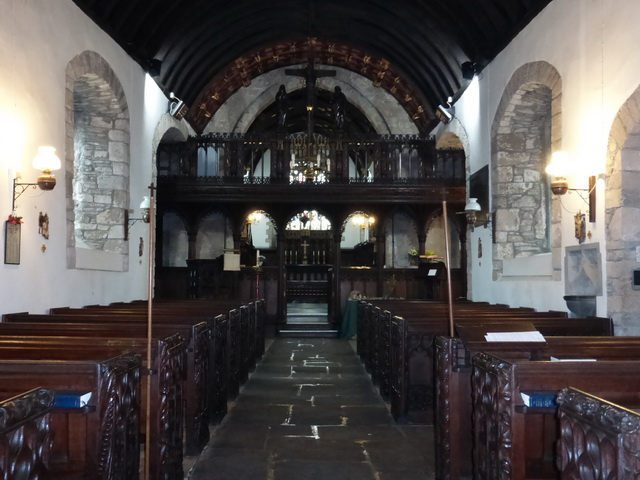
‘The materials the Victorians used tend not to match well with earlier work and are often alien to the local area. Pews and roof joists may be of pitch pine from North America: blockhouse-sized pulpits in depressingly dark-veined Italian marble will feel overwrought.’

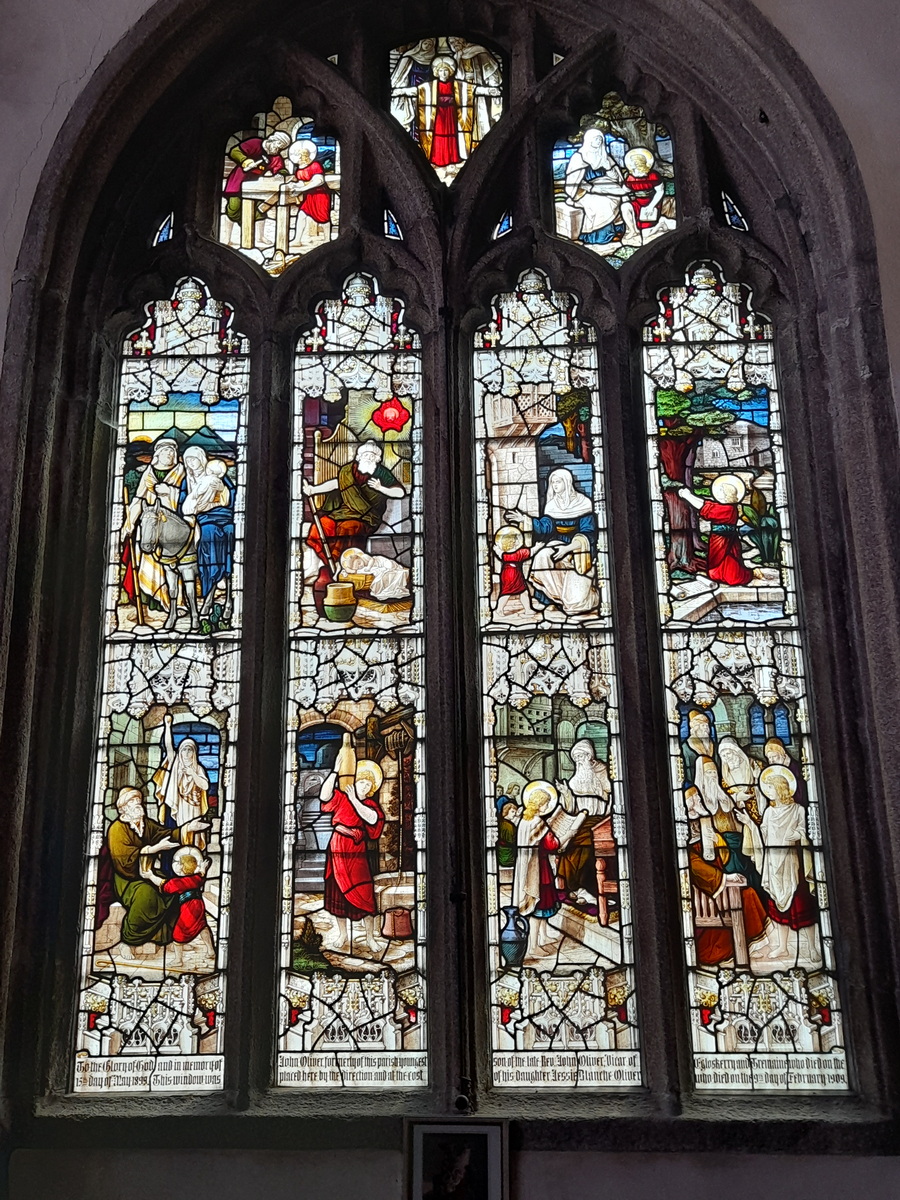
‘Encaustic floor tiles look machine-made and over-coloured, as does so much stained glass, which, except for the output of a handful of gifted studios, have filled windows with overbearingly pious and sentimental subject matter.
‘All this is a far cry from the subtlety of materials used to build such churches as St Mary’s, Steeple Ashton, in the pre-industrial age, where everything I could see of its walls and roof had been brought by ox-cart once it had been cut out of the local bedrock or felled from the woods of the surrounding parish. This localness will give a church a particular terroir (to steal a term from winemaking) and atmosphere.’
‘Often it will be little more than fantasy medieval facsimile of what the architect and vicar thought a medieval church should look like.‘ To how many Cornish churches could this be applied?
 A Cornish Journey